P9 — Product Design · Sensory Experience

Adaptive
Olfactory
System

A wearable scent device for cinema — releasing programmed fragrances at precise film timestamps to add a sixth sense to storytelling, immersing audiences in worlds they can now smell.

TypePhysical Product Prototype
DisciplinesProduct Design · Sensory Research · Fabrication · User Experience
Core MechanismTimestamped scent delivery — odor packets, straw delivery system, carbon filters
AttachmentChair-mounted — passive wearable for cinema seating
The Concept

Cinema Has Always
Been Missing a Sense

Film engages sight and sound almost completely. Touch arrives through cinema seats, temperature, and the physical tension of a thrilling scene. But smell — the sense most directly wired to memory and emotion — has never been seriously integrated into the cinematic experience at scale.

The Adaptive Olfactory System is a physical prototype that addresses that gap: a device that attaches to the side of a seat, houses multiple scent cartridges, and releases specific fragrances at programmed film timestamps. The scent arrives just before the corresponding scene, priming the olfactory system for maximum emotional effect, then is neutralized by carbon filters before the next delivery.

The research foundation covered sensory perception science, odor timing windows, scent fatigue and retention rates, and the fabrication constraints of building a reliable, quiet mechanical delivery system that doesn't distract from the film.
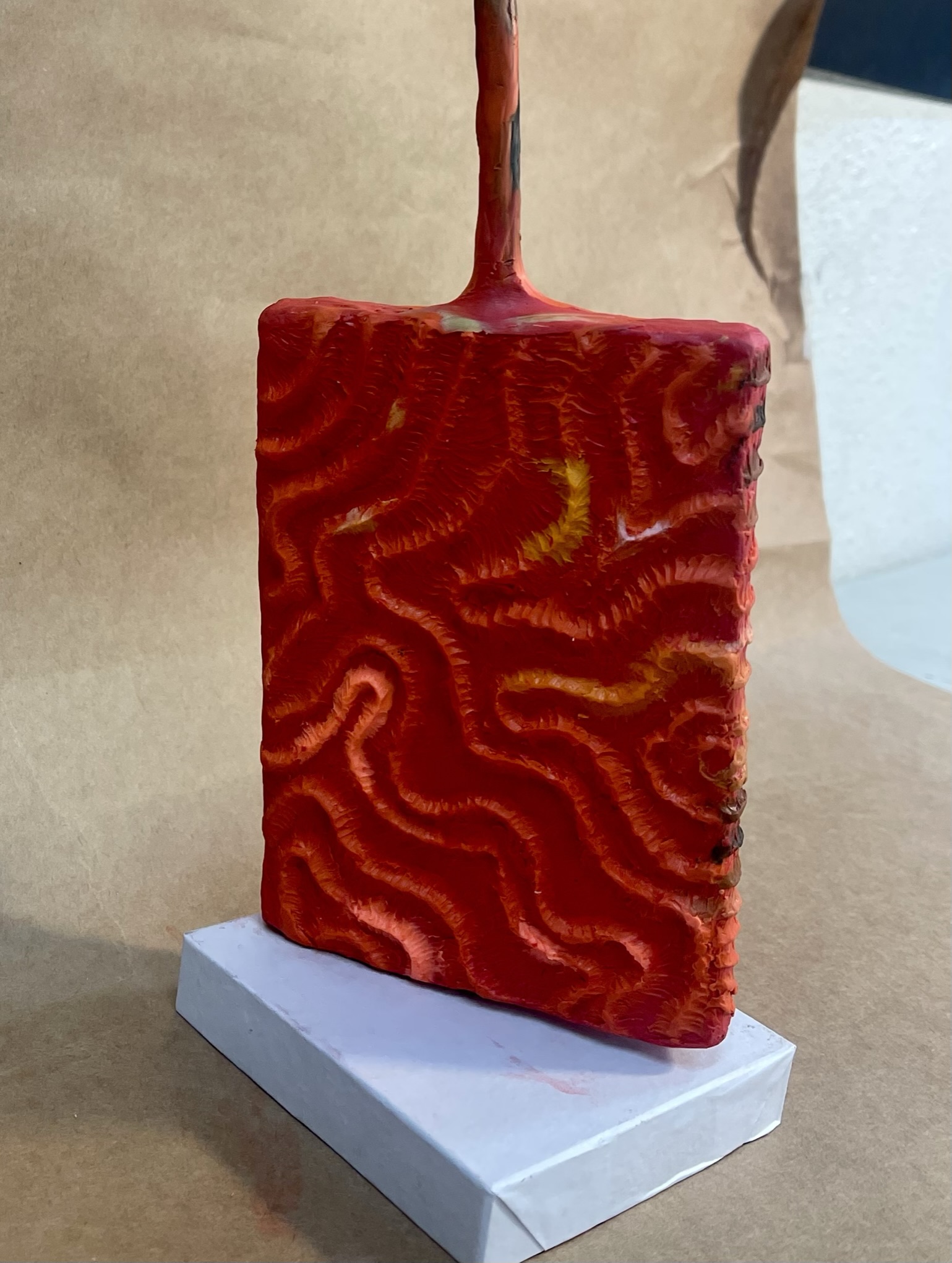
Adaptive Olfactory System prototype front
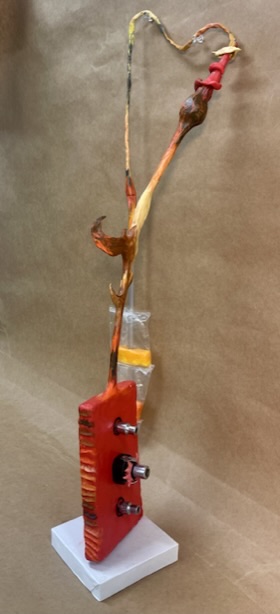
Adaptive Olfactory System prototype side
Physical Prototype

From Sketch to Object

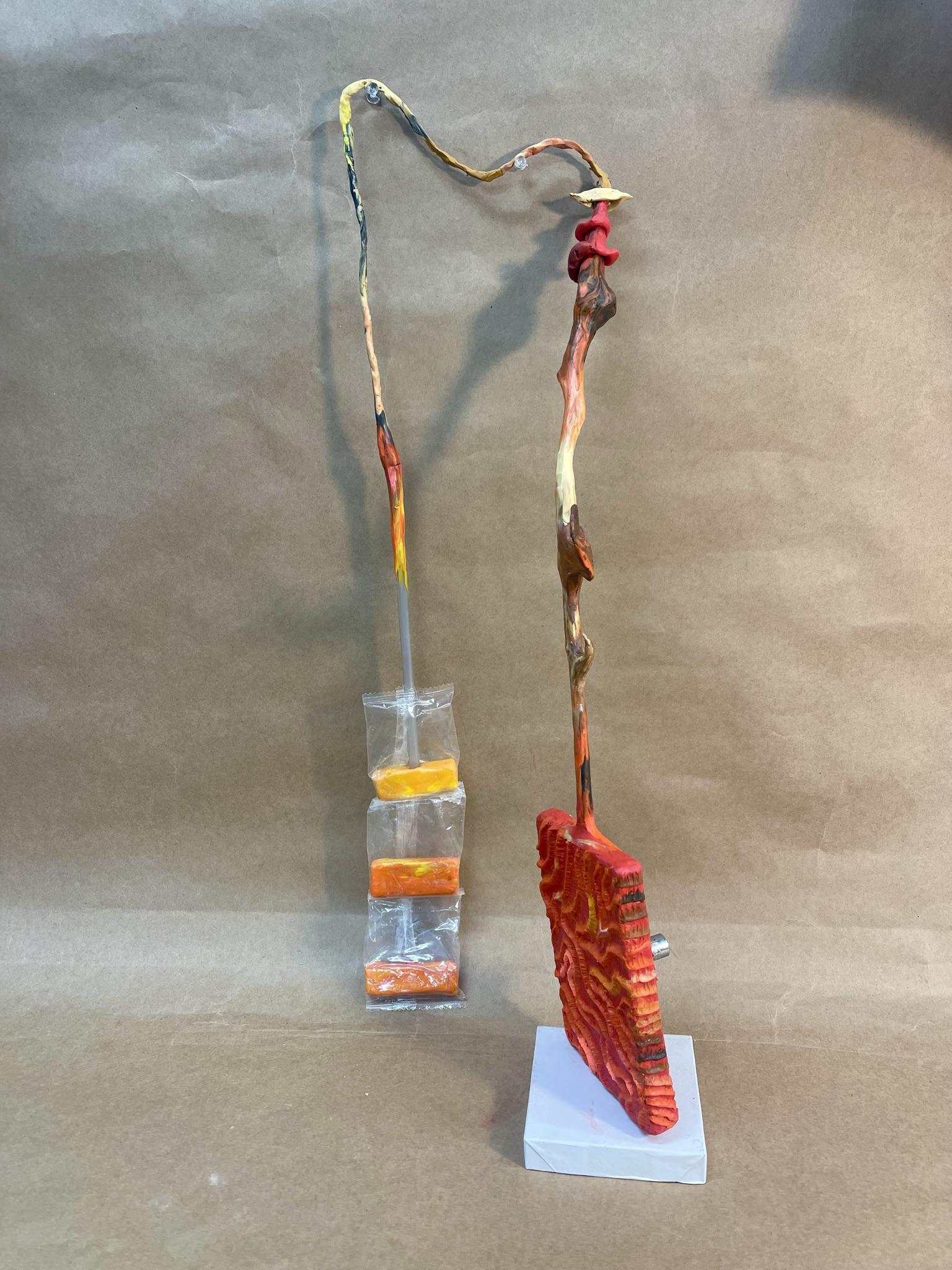
The prototype was built to test the core delivery mechanism — demonstrating that scent can be stored, sequenced, delivered, and neutralized within the constraints of a seat-mounted device. The hand-built form is deliberately exposed: every component visible, every decision legible.

Adaptive Olfactory System both modules
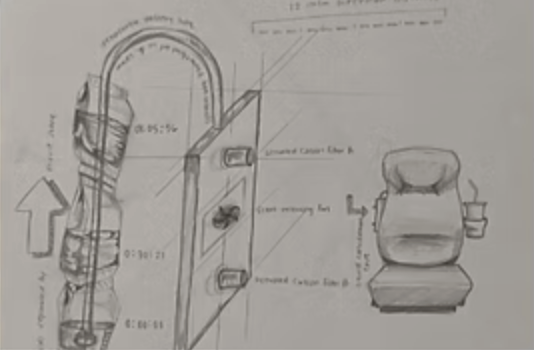
Adaptive Olfactory System design sketch
Component 01

Odor Packets

Multiple individually sealed scent cartridges, each containing a single fragrance. Sequenced by the delivery controller for film-accurate release.

Component 02

Straw Delivery System

A directed straw mechanism channels released scent toward the seat occupant's nasal zone — ensuring the fragrance reaches the correct recipient without diffusing into the wider cinema environment.

Component 03

Carbon Filters

Activated carbon filter layer neutralizes residual scent molecules between delivery events — preventing bleed-over from the previous fragrance before the next scene's scent is released.

Component 04

Timestamp Controller

Syncs with film playback data to trigger each scent delivery at the programmed moment — accounting for the 2–4 second olfactory onset delay so the scent arrives as the scene begins.

Research Foundations

The Science of Smell in Story

Sensory Perception

Olfactory Onset & Peak

Research into the time between scent molecule inhalation and conscious perception — typically 2–4 seconds — informed the pre-cue delivery timing built into the timestamp controller.

Odor Retention

Scent Duration & Fatigue

Established maximum effective delivery durations and minimum inter-delivery intervals to prevent olfactory adaptation — the process by which the brain stops registering a continuous scent.

User Experience

Immersion Without Overwhelm

Designed scent intensity levels and delivery durations that add atmospheric depth without becoming a distraction — the scent should feel like a discovered detail, not an announcement.

Fabrication

Mechanical Constraints

Developed the delivery mechanism with silence as a hard constraint — any mechanical noise from the device would break cinema immersion. The straw-pump system operates below audible threshold.

Safety

Scent Safety Parameters

Established fragrance concentration limits appropriate for enclosed spaces and mixed audiences — accounting for sensitivities and ensuring the delivery quantities are sub-threshold for adverse reactions.

Narrative Design

Storytelling With Smell

Mapped which narrative moments benefit most from olfactory reinforcement — confirming that smell is most effective for place, memory, and atmosphere rather than action or dialogue.

The best sensory design is invisible — it adds without announcing itself.

This project pushed me to think about experience design from the inside of the body outward. Smell is the most emotionally immediate sense we have, and yet it's been almost entirely ignored by experience designers working in entertainment. Building a working prototype taught me that the constraint of a new sensory channel — its onset delays, its fatigue curves, its intimate reach — becomes its greatest design gift.