P7 — Augmented Reality · Nonprofit Leadership

Best
Wishes
AR

A youth-led nonprofit reimagined for the digital age — using augmented reality to scale the irreplaceable warmth of a handmade card across four branches, over a thousand volunteers, and an infinite number of people who needed to feel seen.

OrganizationBest Wishes (Founder)
DisciplinesNonprofit Leadership · Digital Product Thinking · AR Development · Community Building
Scale4 U.S. branches · 1,000+ volunteers · Remote + in-person contribution model
The Organization

A Simple Gesture,
Scaled

Best Wishes began with the belief that a handmade card — the act of sitting down, picking up a pen, and saying something true to a stranger — is one of the most quietly powerful things a person can do. The challenge was turning that belief into an organization.

As founder, I built the operational framework that allowed Best Wishes to grow from a local initiative to a four-branch nonprofit across the United States, coordinating over 1,000 volunteers through a system that honored both the intimacy of the gesture and the need for operational scale.

The augmented reality card-making model was developed to solve a specific access problem: how do you let someone who can't be physically present — a student, a remote volunteer, someone in a different time zone — still make something that feels genuinely handmade?
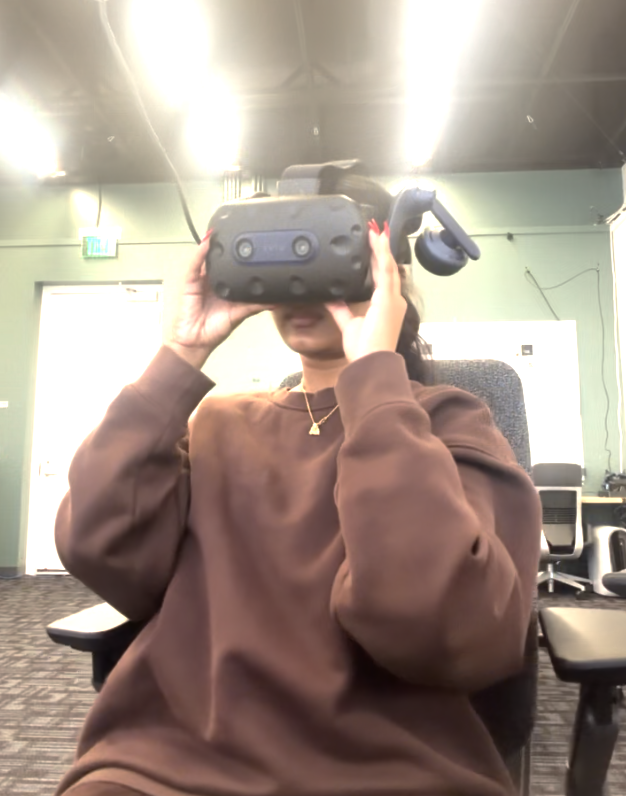
Best Wishes AR testing
4 U.S. branches
1K+ Volunteers engaged
AR Card-making model launched
The AR Innovation

Handmade,
Virtually

The augmented reality card-making model was built to preserve the essential quality of a Best Wishes card — that someone paused, made something, and sent it with care — while removing the barriers of physical location and material access.

Volunteers use the AR environment to design, personalize, and compose cards in a virtual space. The output is then formatted for physical printing and delivery, or sent as a digital format that maintains the handcrafted aesthetic. The experience is designed to feel like making, not just clicking.

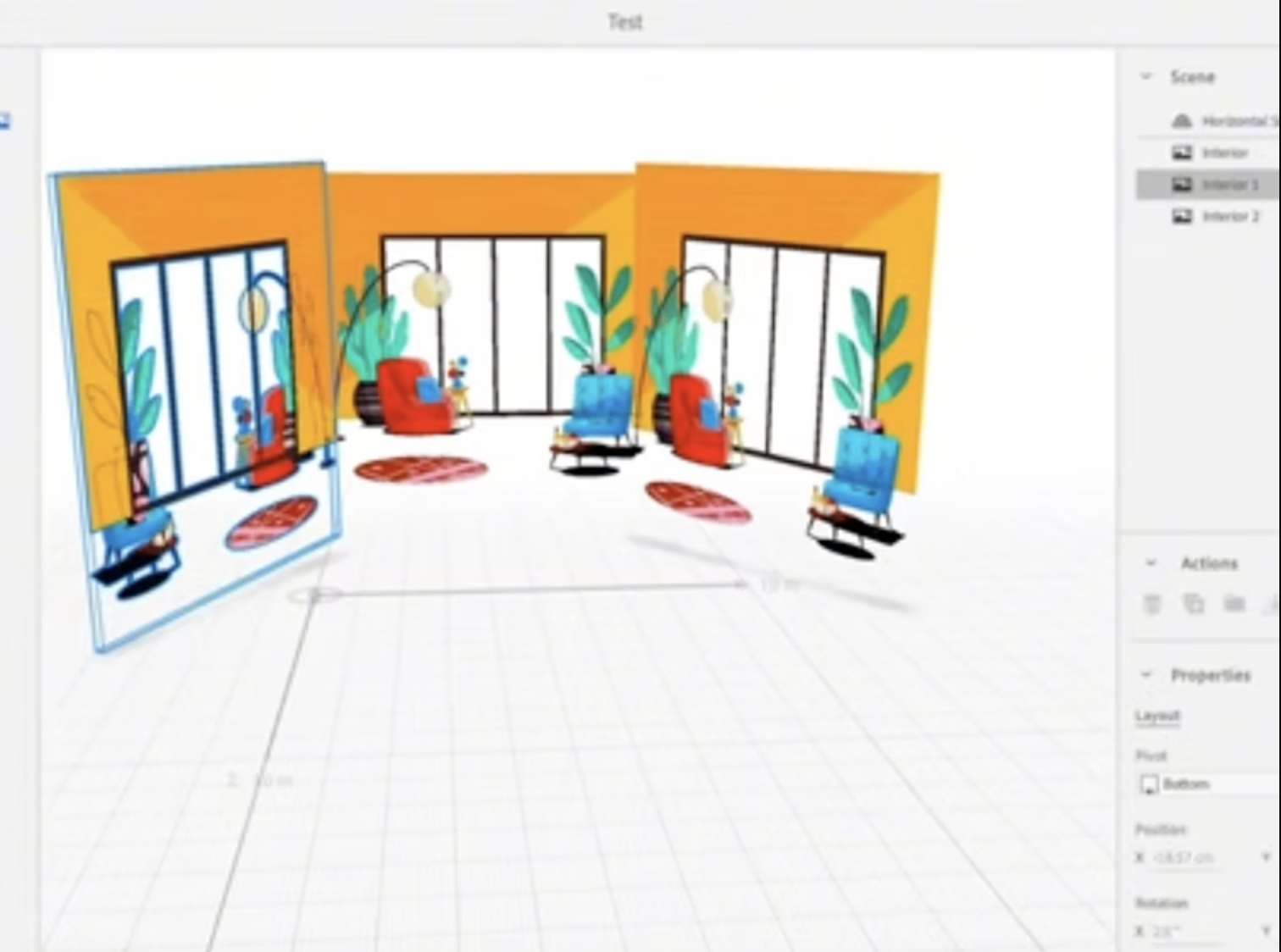
Best Wishes AR card environment
AR Feature

Virtual Card Environment

Volunteers enter a 3D card-making space where they can choose templates, add handwritten text via stylus or touch, select decorative elements, and preview the final physical output.

Impact Design

Warmth at Scale

The design challenge was non-trivial: how does a digital tool preserve the emotional signature of something handmade? Every AR interaction was designed to require human intention and care — no fully automated card generation.

Access

Remote Volunteering

The AR model enabled participation from volunteers who could not physically attend card-making sessions — students, people with mobility constraints, volunteers in other cities — without reducing the authenticity of their contribution.

Organizational Design

Building Something
That Lasts

Founding Best Wishes required thinking like a product designer and an operations leader simultaneously. The volunteer coordination system, the chapter expansion framework, and the quality standards that ensure every card meets the organization's core promise — that was all infrastructure design.

The lessons from building Best Wishes directly inform how I approach product work: the most important design decisions are the ones that determine whether something can grow without losing what made it meaningful in the first place.

Leadership

Chapter Expansion Framework

Developed replicable systems for launching and sustaining new branches — enabling four chapters to operate independently while maintaining organizational coherence.

Product Thinking

Volunteer Experience Design

Designed the volunteer journey end-to-end — onboarding, contribution flow, quality feedback, and recognition — as a product problem.

Technology

AR Integration

Introduced augmented reality as a scalability solution without compromising the human quality of the output — a balance between accessibility and authenticity.

Scale is only worth achieving if the thing you're scaling still means something when it arrives.

Building Best Wishes taught me that community design and product design ask the same fundamental questions: who is this for, what do they need to feel, and what are we removing when we automate? The AR model was a direct answer to that last question — technology that opens access without closing the human loop.